


In the era of rapid technological advancements, the fully automatic napkin paper digital printing machine has emerged as a star on the stage of printing technology. It represents not just a tool but a revolution in the art of printing.
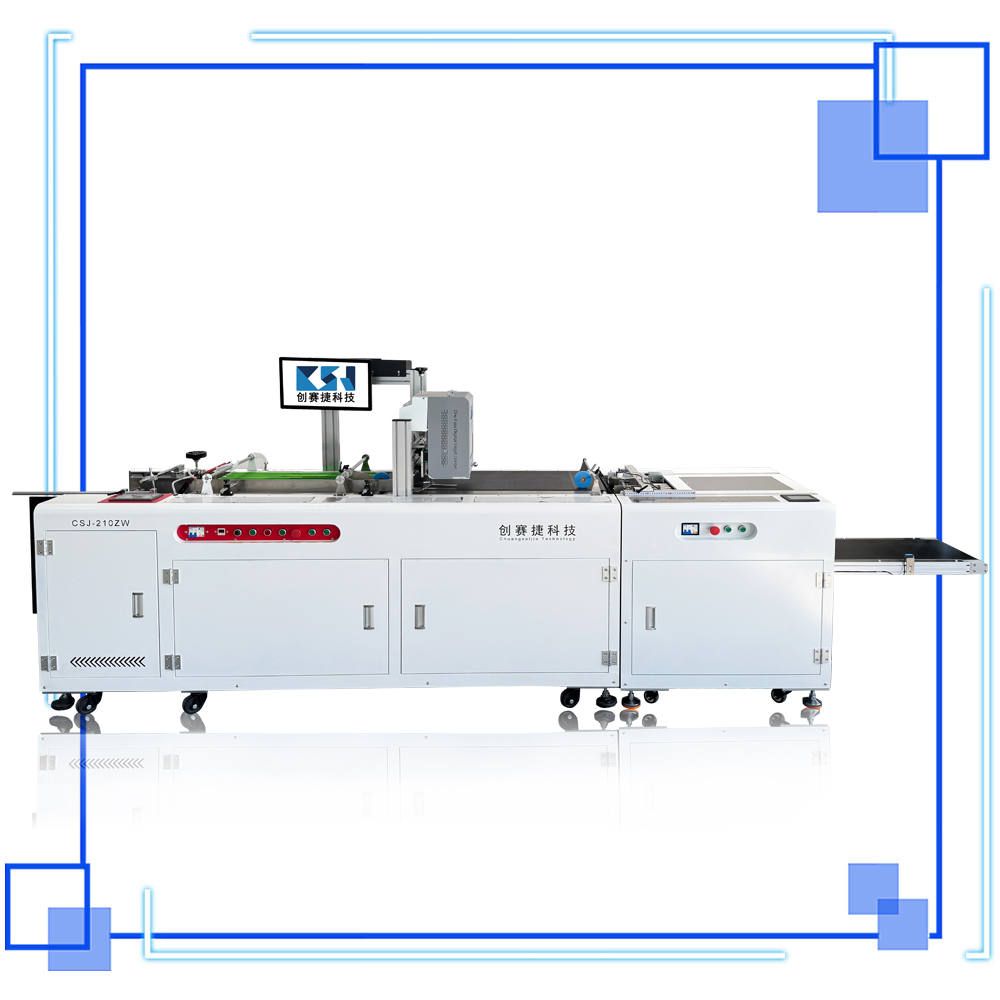
The charm of this machine lies in its full automation. From feeding to printing and finally stacking, every step is precisely controlled by a computer. This significantly reduces labor costs and improves production efficiency. With such a machine, companies no longer need a large number of workers for repetitive tasks. Instead, they can achieve more with fewer resources, thereby enhancing competitiveness.
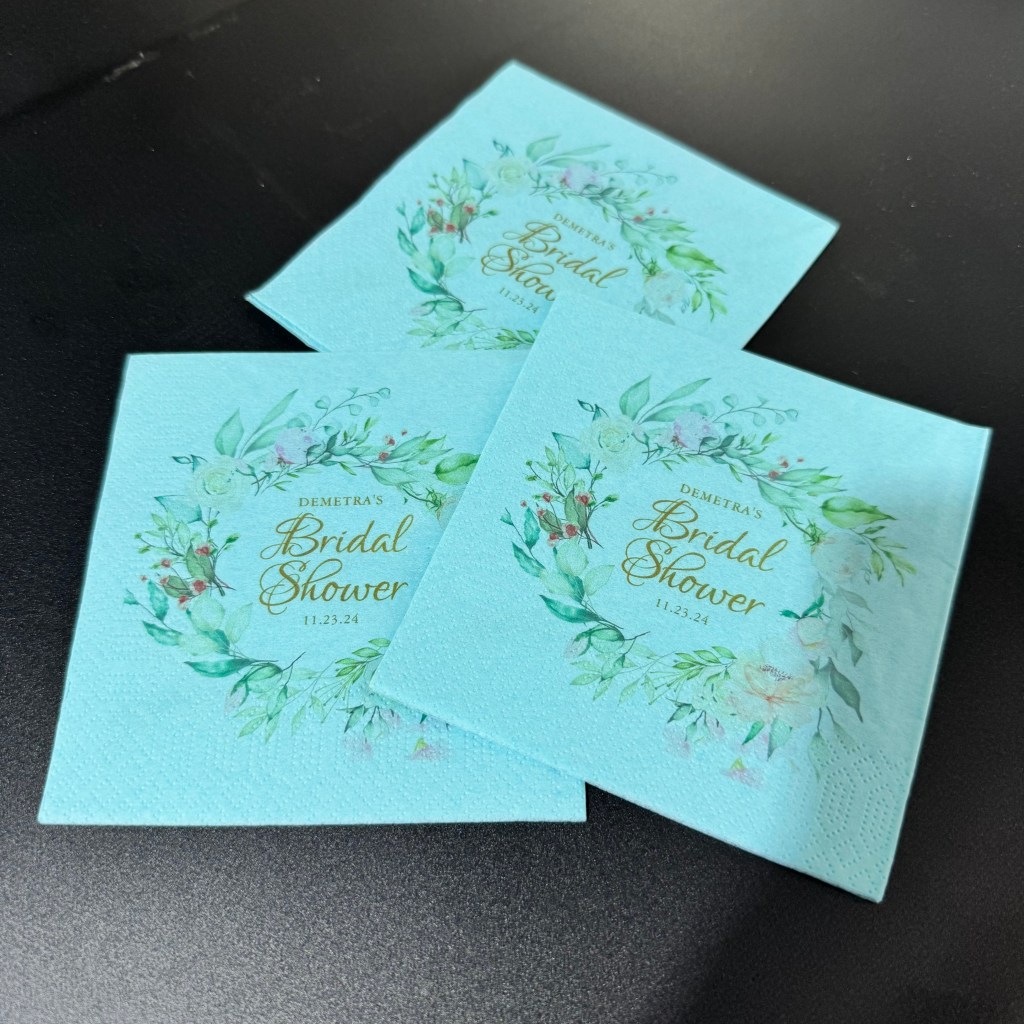
When it comes to printing quality, this machine is equally outstanding. Utilizing advanced digital printing technology, it ensures that every piece of tissue paper is vibrantly and precisely printed. Whether it’s intricate patterns or simple text, every detail is clearly reproduced. Moreover, the colors are exceptionally bright without fading, making each sheet of tissue paper like a work of art.
The fully automatic napkin paper digital printing machine also excels in flexibility. In traditional printing, changing patterns or text often requires replacing printing plates, which is time-consuming and costly. However, this digital printing machine can switch between different designs with just a few simple operations. This means that companies can quickly respond to market changes, launching new products to meet consumer demands.

It’s worth noting that this machine is also very user-friendly. Even operators without professional printing knowledge can quickly get the hang of it after simple training. The operation interface is intuitive, allowing operators to easily adjust various parameters to suit their needs.
The fully automatic napkin paper digital printing machine is leading a new trend in the printing industry. It brings more possibilities to businesses and provides consumers with higher-quality products.
We look forward to seeing how this machine will continue to shine in the future of printing.

 Shenzhen Chuangsaijie Technology Co Ltd